
When people think of Pakistan, snow is usually not the first thing that comes to mind. Deserts, plains, and bustling cities often steal the spotlight. But here’s the twist: Pakistan is home to some of the most breathtaking snowfall regions in South Asia. From fairy-tale hill stations to remote valleys buried under thick white blankets, snowfall in Pakistan feels almost magical. It’s not just about cold weather; it’s about transformation. Entire landscapes change overnight, turning rugged mountains into soft, white dreams and quiet villages into winter postcards.
What makes snowfall in Pakistan truly special is its diversity. You can experience light, romantic snowfall in places like Murree, perfect for families and first-time snow lovers. At the same time, there are extreme winter regions like Skardu, Astore, and Chitral, where snow dictates life itself. Roads disappear, lakes freeze solid, and daily routines adapt to nature’s rhythm.
This guide will walk you through all the major snowfall areas in Pakistan, helping you understand where to go, when to go, and what makes each place unique. So grab a warm cup of tea, imagine snowflakes falling outside your window, and let’s begin this winter journey together.
Understanding Pakistan’s Geography and Snowfall Patterns
Snowfall in Pakistan doesn’t happen randomly. It’s deeply tied to the country’s geography, altitude, and climate systems. Pakistan sits at the crossroads of some of the world’s highest mountain ranges, the Himalayas, Karakoram, and Hindu Kush. These mighty giants act like natural snow factories, trapping moisture and forcing cold air upward, which leads to snowfall during the winter season. The higher you go, the heavier and more consistent the snow becomes.
Altitude plays the most crucial role. Areas above 2,000 meters start seeing regular snowfall, while regions above 3,000 meters experience long, harsh winters with thick snow layers. This is why northern Pakistan dominates the snowfall map. Cities and valleys in Punjab or Sindh rarely see snow because they sit at much lower elevations. Meanwhile, places like Skardu, Hunza, and Astore remain snowbound for months.
Winter weather systems also shape snowfall patterns. Western disturbances, weather systems originating from the Mediterranean, travel eastward and bring rain and snow to Pakistan between December and March. When these systems collide with cold air in the mountains, snowfall occurs. Some years bring light winters, while others deliver record-breaking snowstorms, reminding everyone that nature always has the final say.
Timing matters too. January and February are usually peak snowfall months, especially in higher regions. December often marks the beginning, while March can still surprise travelers with late snow at higher altitudes. Understanding these patterns helps travelers plan better, avoid risky routes, and make the most of Pakistan’s winter beauty.
Most Snowfall Areas in Pakistan
Snowfall is an attractive natural phenomenon in Pakistan and brings a new charm to the landscapes and mountains all over the country. Let’s have a look at the most snowfall areas in Pakistan.
Northern Pakistan
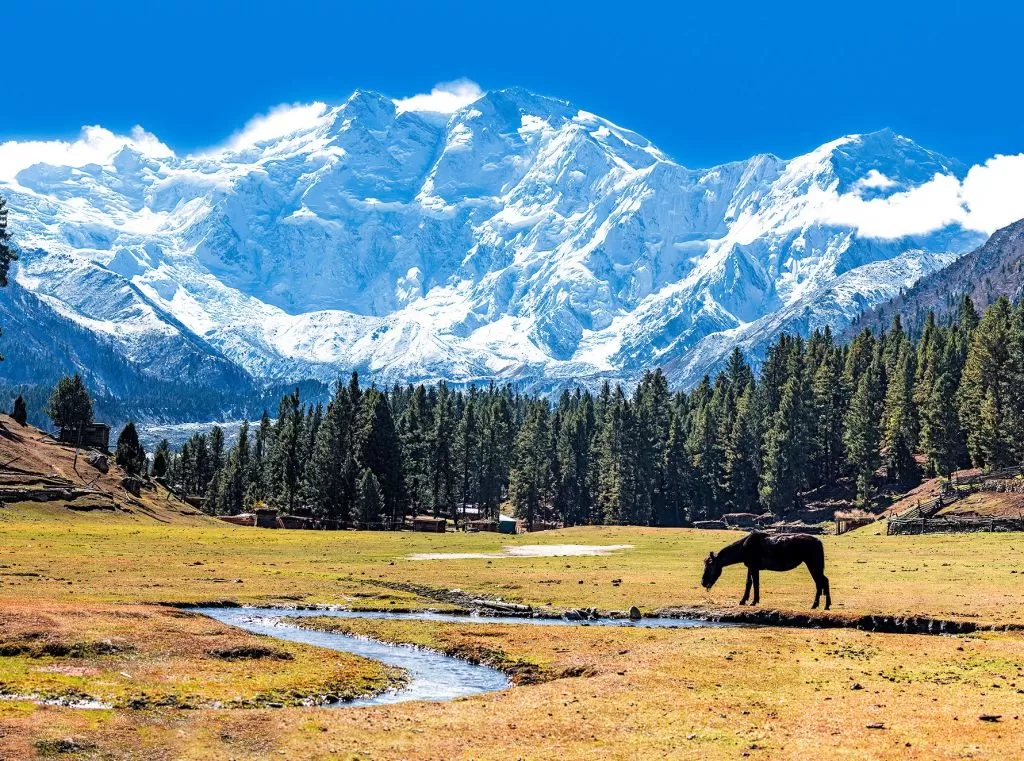
If snowfall in Pakistan had a capital, northern Pakistan would proudly wear the crown. This region is where winter truly shows its power. Towering peaks, deep valleys, and narrow mountain passes create the perfect conditions for heavy snowfall. Every winter, northern Pakistan transforms into a land of silence and white beauty, drawing tourists, photographers, and adventure lovers from across the country.
The reason northern Pakistan receives the most snow lies in its geography. The Himalayas, Karakoram, and Hindu Kush ranges intersect here, forming a natural barrier that traps cold air and moisture. Some valleys remain cut off for weeks, and life slows down to match the pace of winter.
What makes this region fascinating is its variety. You’ll find lively tourist hubs like Murree and Swat, where snowfall is celebrated with hot food and cheerful crowds. Then there are remote places like Astore and upper Hunza, where snow creates a quiet, almost spiritual atmosphere. Each destination offers a different relationship with winter, from joyful tourism to raw survival.
Northern Pakistan isn’t just about snow; it’s about how people live with it. Wooden houses, thick clothing, winter food traditions, and community bonding all revolve around snowfall. Visiting these areas in winter isn’t just sightseeing; it’s experiencing a way of life shaped by snow.
Murree
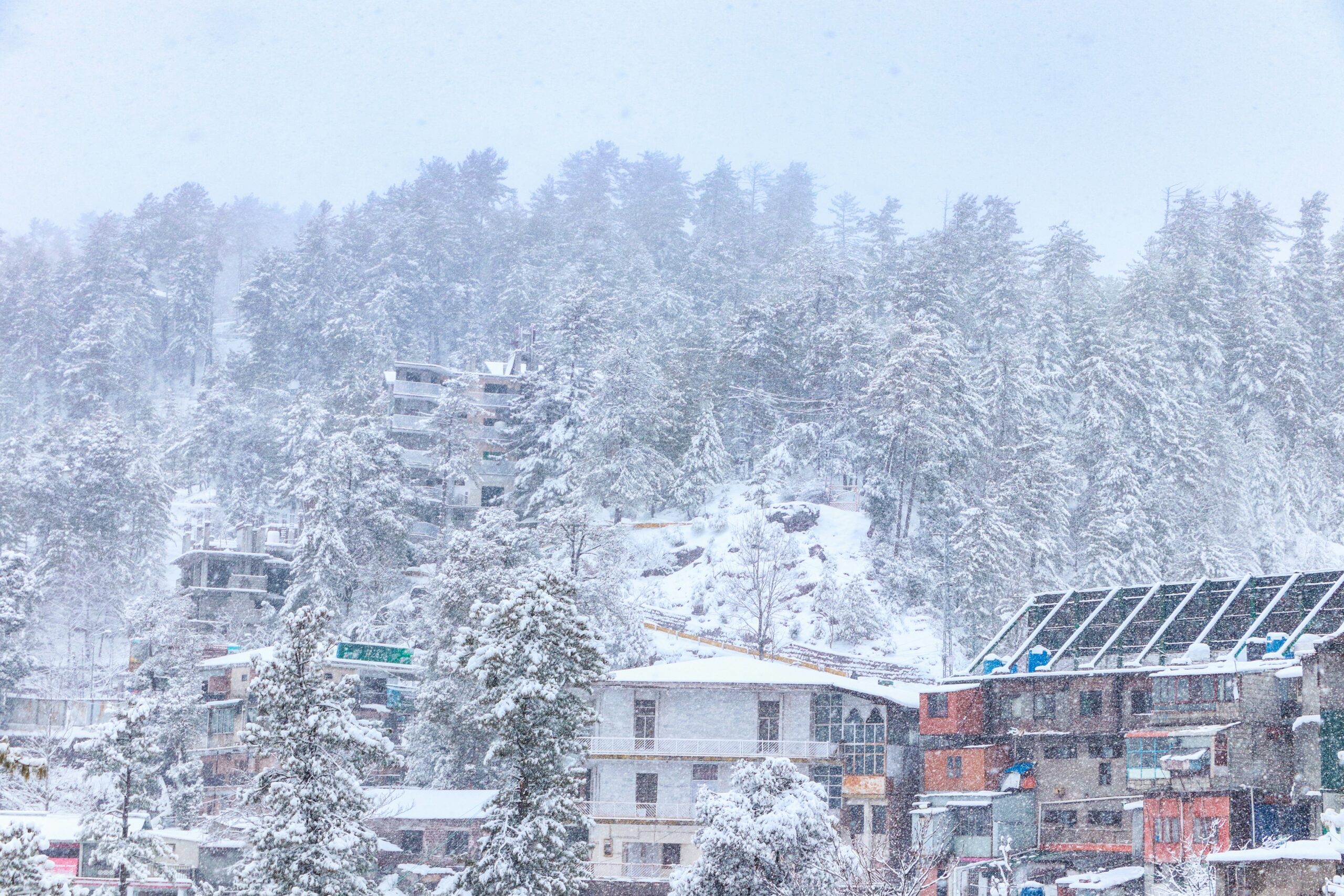
Murree is often the first name that comes up when talking about snowfall in Pakistan, and for good reason. Located just a few hours from Islamabad, Murree is the most accessible snow destination in the country. Every winter, it turns into a snowy playground filled with families, honeymooners, and first-time snow explorers. When snow falls in Murree, the entire town seems to celebrate.
Snowfall here usually begins in late December and peaks in January. While it may not be as heavy as in northern valleys, it’s enough to cover rooftops, pine trees, and roads in a soft white layer. Mall Road, Murree’s heart, becomes a lively winter scene with people sipping tea, building snowmen, and taking endless photos. The atmosphere feels festive, almost like a winter carnival.
Popular spots like Patriata (New Murree), Kashmir Point, and Pindi Point offer stunning views during snowfall. Chairlifts gliding over snow-covered hills create postcard-perfect moments. For many Pakistanis, Murree is where childhood snow memories are made, first snowball fights, first slips on icy roads, and first tastes of hot corn in freezing air.
Accommodation plays a big role in enjoying Murree’s winter charm, and staying at a centrally located, comfortable hotel can completely change the experience. Many visitors prefer places like the Grand Taj Hotel Murree because of its convenient location, cozy atmosphere, and easy access to major snowfall points. After a long, cold day outside, returning to a warm room with mountain views feels like a reward in itself.
Galyat Region
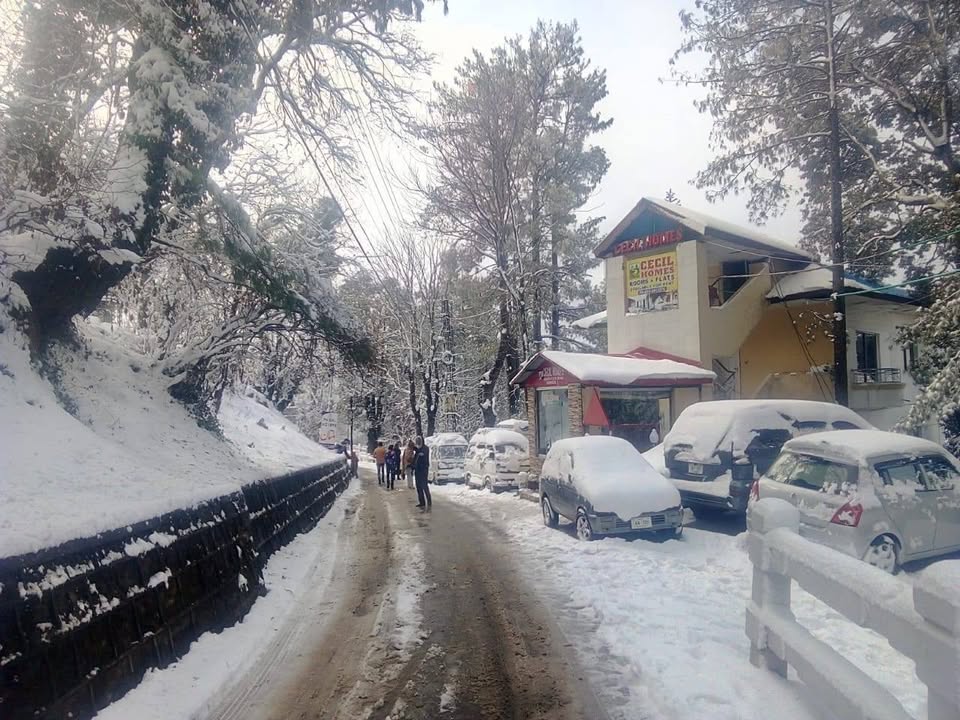
Just a short drive from Murree lies the enchanting Galyat region. It is a cluster of hill stations that feel quieter, calmer, and closer to nature. Nathia Gali, Ayubia, Dunga Gali, and Khanspur are all part of this snowy belt, and each offers a slightly different winter experience. When snowfall hits the Galyat, the entire region turns into a peaceful white forest.
Nathia Gali is particularly famous for its dense pine trees dusted with snow. During winter, walking through its trails feels like stepping into a storybook. Snowfall here is usually steady and clean, creating thick layers that stay for days. Ayubia National Park becomes even more beautiful in winter, with frozen paths and silent woods broken only by the crunch of snow underfoot.
Unlike Murree, the Galyat region is less commercial, making it perfect for travelers who want a calm snowfall experience. You won’t find overwhelming crowds, but you will find serenity. Hotels with fireplaces, quiet viewpoints, and misty mornings create a cozy winter vibe that’s hard to forget.
However, snowfall can also make roads slippery and challenging. Visitors should travel in well-maintained vehicles and avoid night driving. Despite these precautions, the Galyat region remains one of the most charming snowfall areas in Pakistan, especially for nature lovers and couples seeking a peaceful winter escape.
Swat Valley
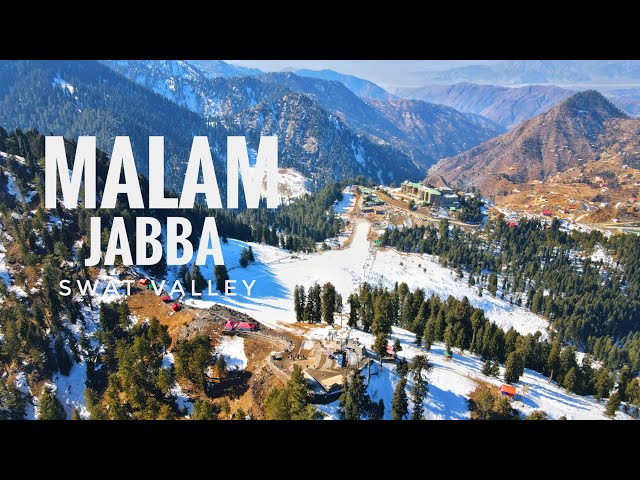
Swat Valley earns its nickname for a reason, especially in winter. When snowfall arrives, the valley transforms into a breathtaking white paradise that feels straight out of Europe. Snowfall in Swat usually begins in late December and continues through February, blanketing the mountains, villages, and pine forests with thick layers of snow. The entire valley slows down, and life takes on a softer, quieter rhythm.
Malam Jabba is the crown jewel of Swat during winter. It is Pakistan’s most famous ski resort and one of the few places in the country where you can experience proper winter sports. Heavy snowfall here creates ideal conditions for skiing, snowboarding, and chairlift rides above snow-covered slopes. Even if you’re not into sports, simply standing there, surrounded by endless white peaks, feels unreal.
Mingora and Saidu Sharif receive lighter snowfall compared to upper Swat, but even a gentle dusting adds charm to the valley. Snow-covered rooftops, frozen streams, and smoke rising from chimneys create a postcard-like scene. What makes Swat special is the blend of natural beauty and culture. Locals welcome winter with traditional food, warm hospitality, and stories shared around heaters.
Traveling to Swat in winter requires planning, as heavy snowfall can block roads to the upper areas. Still, for those who make the journey, Swat offers one of the most balanced snowfall experiences in Pakistan, beautiful, adventurous, and deeply soulful.
Kaghan Valley
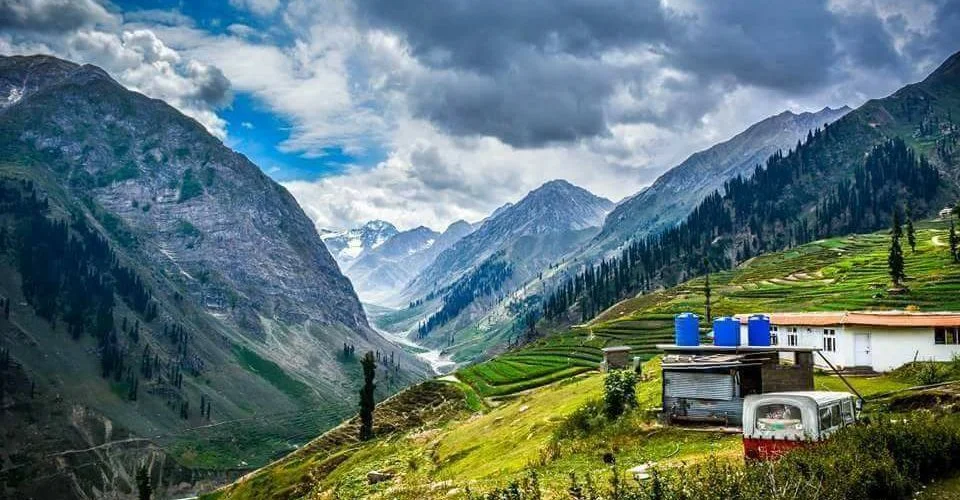
Kaghan Valley is one of those places that completely changes its personality in winter. In summer, it’s green, lively, and buzzing with tourists. In winter, it becomes quiet, dramatic, and powerful. Snowfall here is heavy, especially in upper regions like Naran, turning the valley into a true winter wonderland.
Naran is usually completely covered in snow from December onward. Roads often close due to heavy snowfall, making them inaccessible for long periods. But when conditions allow, the sight of Naran under snow is unforgettable. Hotels buried halfway in snow, frozen rivers, and silent streets create an atmosphere that feels almost otherworldly.
Lake Saif-ul-Malook, famous in summer, becomes a frozen mystery in winter. Covered in thick snow and ice, the lake disappears beneath a white blanket, guarded by snow-covered peaks. It’s a reminder of how powerful and untamed nature can be.
Snowfall in Kaghan Valley is not for casual tourists. It demands respect, preparation, and caution. But for adventure seekers and photographers, it’s one of the most rewarding snowfall areas in Pakistan.
Hunza Valley
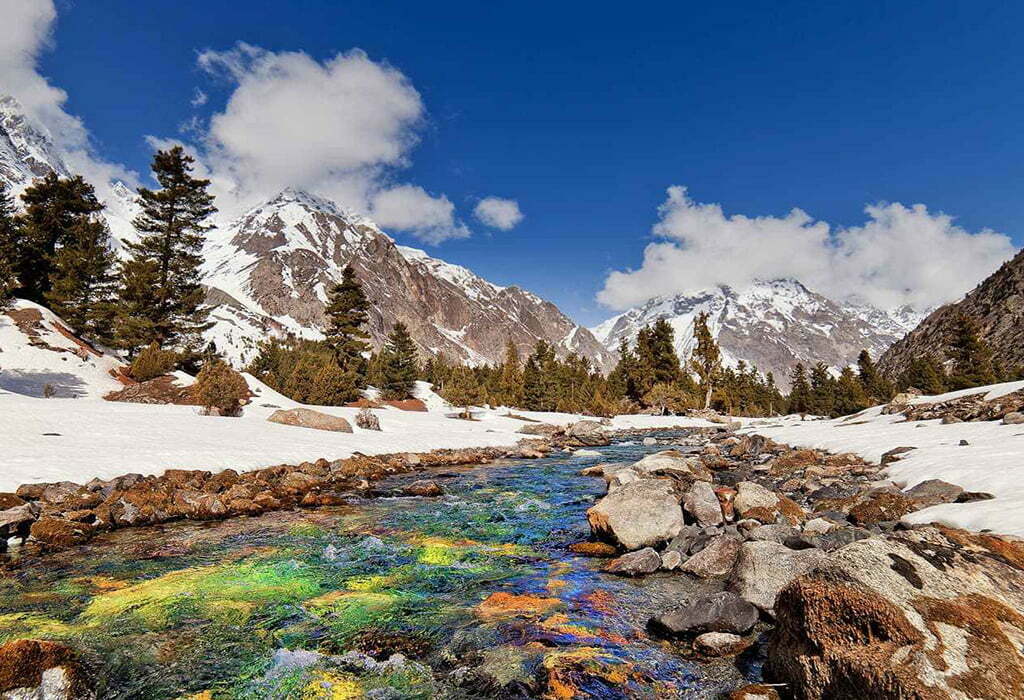
Hunza Valley is beautiful in every season, but winter adds a whole new layer of magic. Snowfall in Hunza is not always extremely heavy, but it is consistent and visually stunning. Snow settles gently on terraced fields, traditional houses, and iconic peaks like Rakaposhi and Ultar Sar, creating postcard-perfect scenery.
Lower Hunza, including Karimabad and Aliabad, experiences moderate snowfall, while upper Hunza areas like Passu and Gulmit see heavier snow. The frozen Attabad Lake, with its deep blue color contrasting against white snow, becomes one of the most photographed winter scenes in Pakistan.
What sets Hunza apart is how life continues despite snowfall. Locals are well-adapted to winter, and daily routines carry on with resilience and grace. Cafes stay open, roads are partially cleared, and tourists can still enjoy winter hikes and cultural experiences.
Winter in Hunza feels peaceful rather than harsh. It’s ideal for travelers who want to enjoy snowfall without extreme isolation. The combination of snow, culture, and stunning mountain views makes Hunza one of the most memorable snowfall destinations in Pakistan.
Skardu
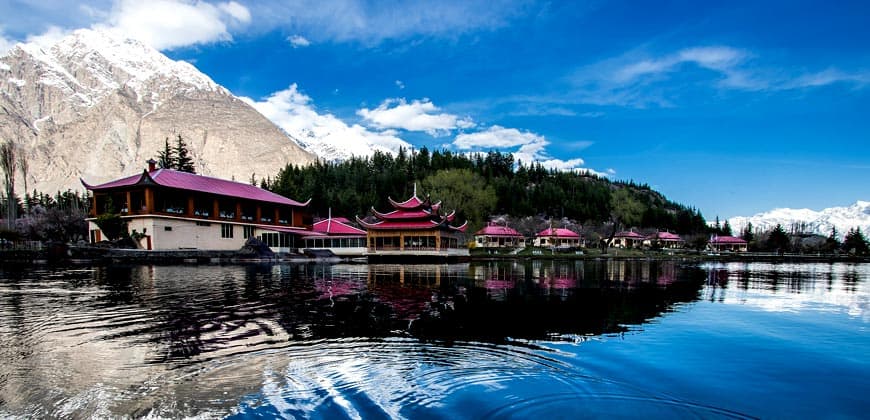
Skardu is where winter shows its raw power. Snowfall here is heavy, persistent, and unforgiving. From December to March, Skardu remains under thick snow, with temperatures dropping far below freezing.
The city itself becomes a frozen landscape. Roads narrow, movement slows, and daily life revolves around surviving the cold. Frozen lakes like Upper Kachura and Sadpara look like massive sheets of ice, reflecting pale winter sunlight. The surrounding mountains, already dramatic, become even more imposing under snow.
Skardu’s winter beauty is quiet and intense. There are no crowds, no noise, just snow, mountains, and silence. This makes it perfect for travelers seeking solitude and authenticity. However, winter travel here is challenging. Flights are often delayed, and road access can be limited.
Gilgit
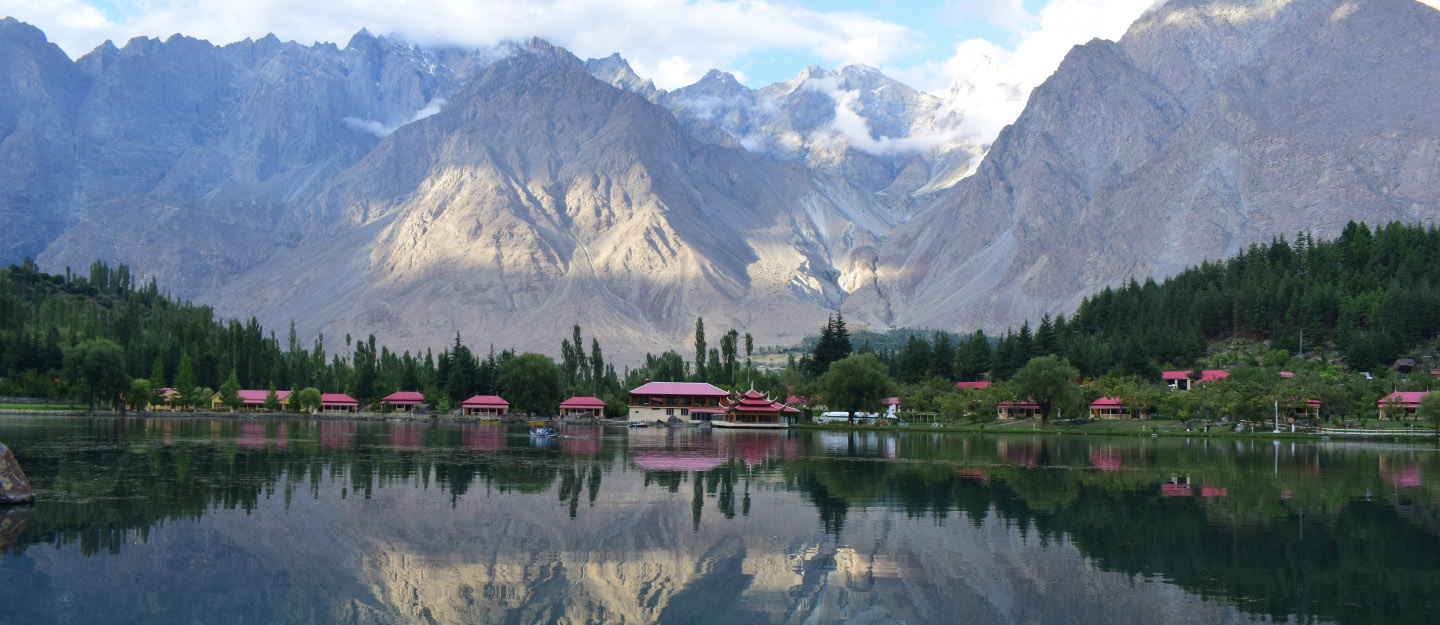
Gilgit experiences a milder winter compared to Skardu but still receives significant snowfall. Snow usually falls between December and February, covering the city and surrounding hills in white. Unlike extreme regions, Gilgit remains relatively accessible, making it a good base for winter exploration.
The city takes on a calm, reflective mood during snowfall. Streets become quieter, and the pace of life slows. Nearby areas like Naltar Valley receive much heavier snowfall, turning them into winter wonderlands famous for skiing and snow sports.
Naltar is particularly known for its colorful lakes, which freeze during winter and are surrounded by snow-covered pine forests. The contrast of colors, white snow, green trees, and frozen blue lakes, is stunning.
Gilgit offers a balanced winter experience. It’s cold enough to enjoy snowfall but not so extreme that travel becomes impossible. For many travelers, it’s the perfect introduction to northern Pakistan’s winter life.
Chitral
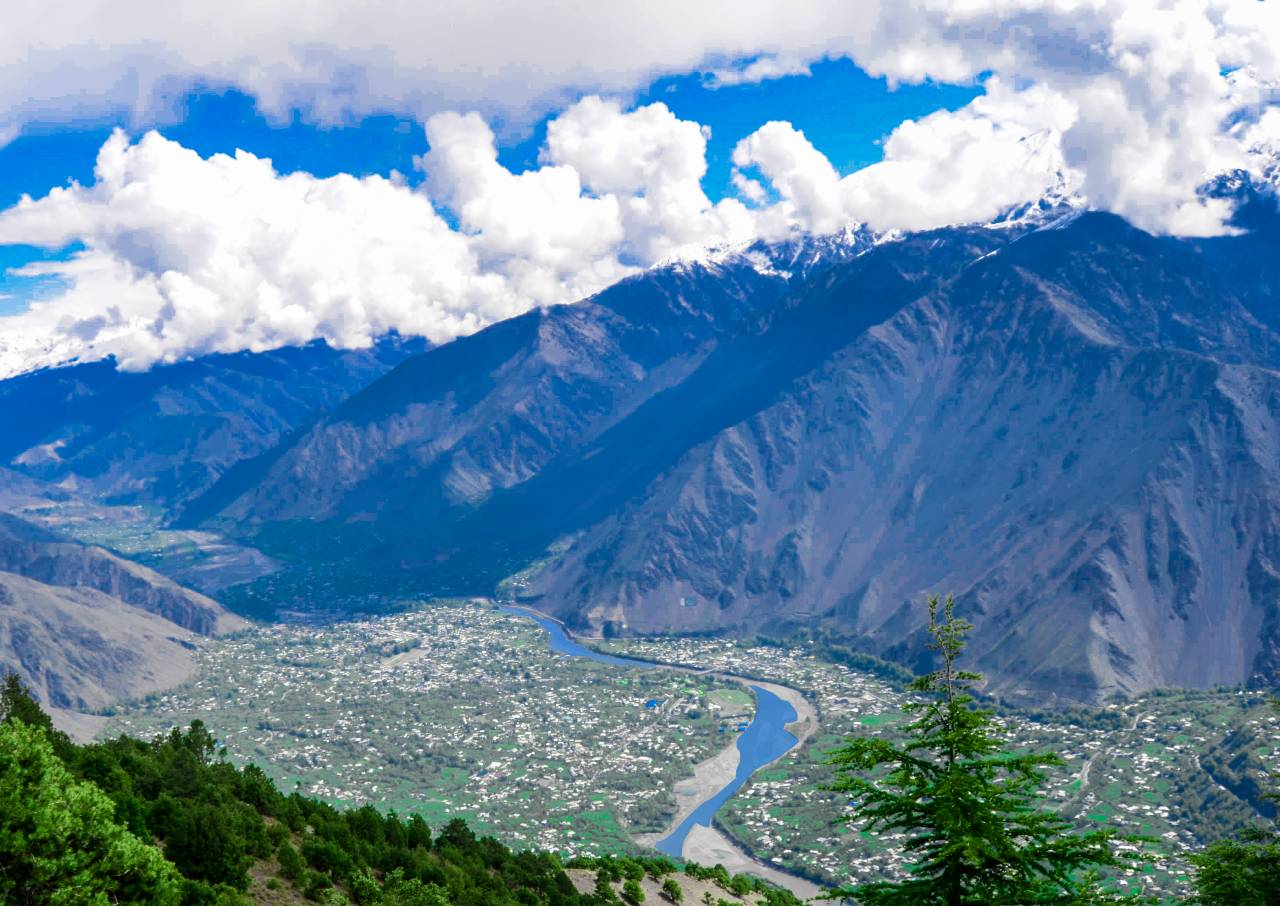
Chitral is one of the coldest regions in Pakistan during winter. Snowfall here is heavy and long-lasting, often cutting off the region from the rest of the country. Winters in Chitral are not just cold, they are intense and demanding.
Lowari Pass, the main route to Chitral, receives massive snowfall, making travel extremely difficult. Entire villages remain snowbound for weeks. Despite this, life continues with remarkable resilience. Locals rely on stored food, traditional heating methods, and strong community bonds.
The Kalash Valleys under snow look surreal. Colorful houses, ancient traditions, and white landscapes create a unique cultural winter scene. Snowfall adds a sense of mystery and timelessness to the region.
Chitral is not a typical tourist destination in winter, but for those who venture here, it offers one of the most authentic snowfall experiences in Pakistan, raw, real, and unforgettable.
Neelum Valley
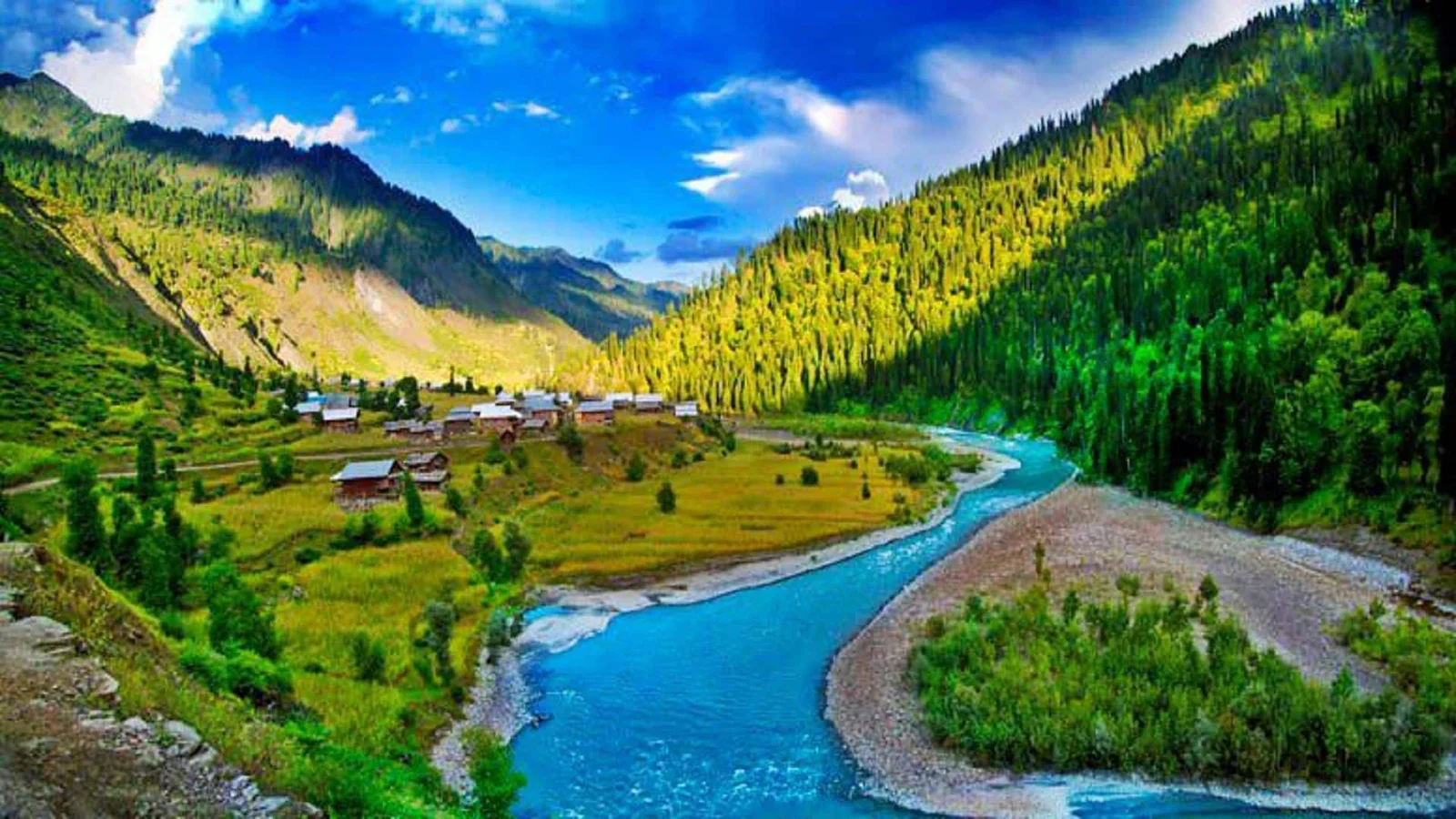
Neelum Valley is among the most beautiful snowfall areas in Pakistan, especially in winter. Upper Neelum regions like Kel, Arang Kel, and Sharda receive heavy snowfall, turning the valley into a dreamlike winter paradise.
Snowfall here is thick and consistent, often blocking roads and limiting access. Wooden houses disappear under snow, and the Neelum River flows quietly between frozen banks. The silence of winter adds a magical charm to the valley.
Arang Kel, located high above the valley floor, becomes especially stunning during snowfall. Reaching it in winter is challenging, but the reward is unmatched beauty. Snow-covered meadows and panoramic views create scenes that feel unreal.
Neelum Valley in winter is perfect for travelers seeking romance, photography, and pure natural beauty. However, careful planning is essential due to weather conditions.
Astore Valley
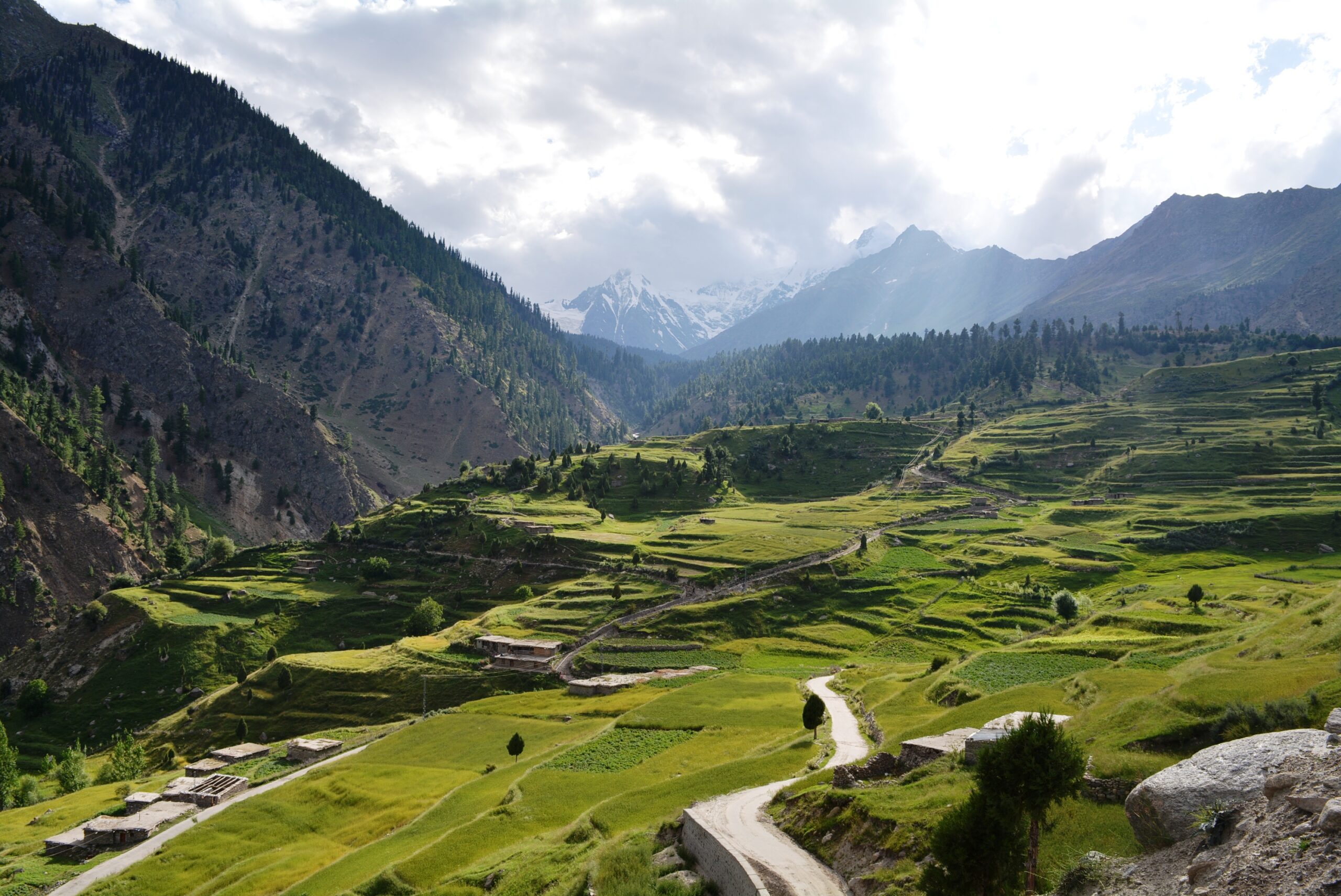
Astore Valley is known for extreme winters. Snowfall here is heavy, and temperatures drop drastically. The valley often remains cut off during peak winter months, making it one of the harshest snowfall regions in Pakistan.
Rama Meadows under snow looks like a frozen dream. Vast open spaces covered in white, surrounded by towering peaks, create a sense of isolation and awe. Wildlife retreats, and the valley becomes silent.
Locals prepare months in advance, storing food and fuel. Visiting Astore in winter is only recommended for experienced travelers. For those who make it, Astore offers one of the most powerful winter experiences in Pakistan.
Ziarat
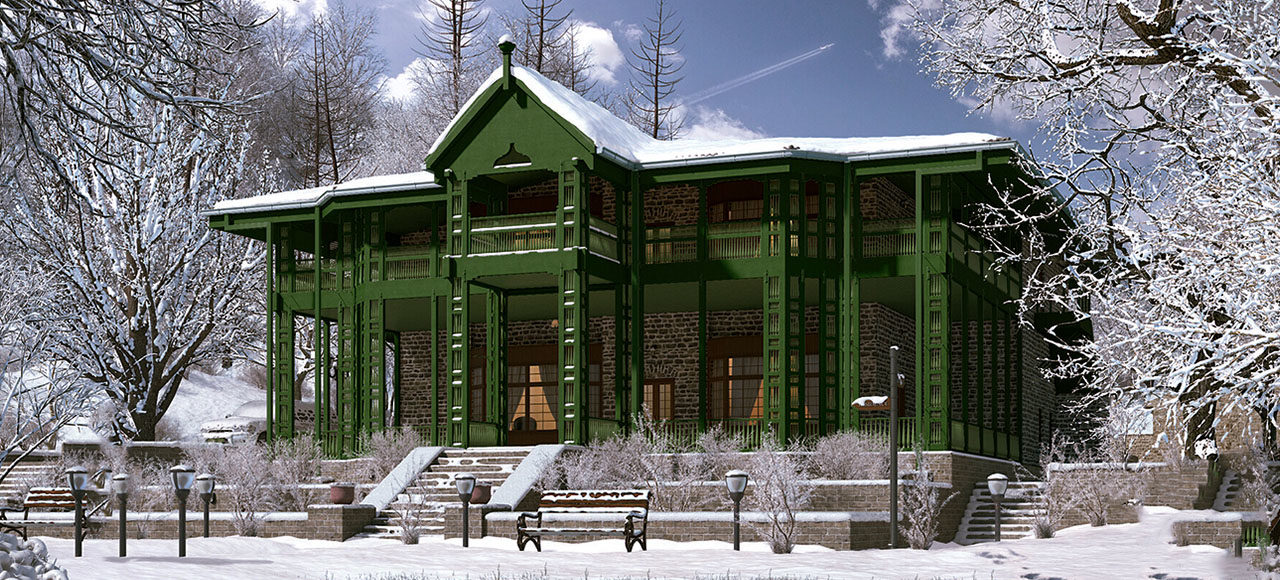
Snowfall in Balochistan is rare, which makes Ziarat extra special. When snow falls here, usually in January or February, it transforms the famous juniper forests into a magical winter scene.
The snowfall is usually light to moderate, but it’s enough to cover trees, hills, and roads in white. Ziarat becomes quiet, cozy, and incredibly scenic. The contrast between dry Balochistan landscapes and snowy forests feels surreal.
Ziarat is perfect for those who want to experience snowfall outside northern Pakistan. It’s accessible, peaceful, and unique.
Quetta
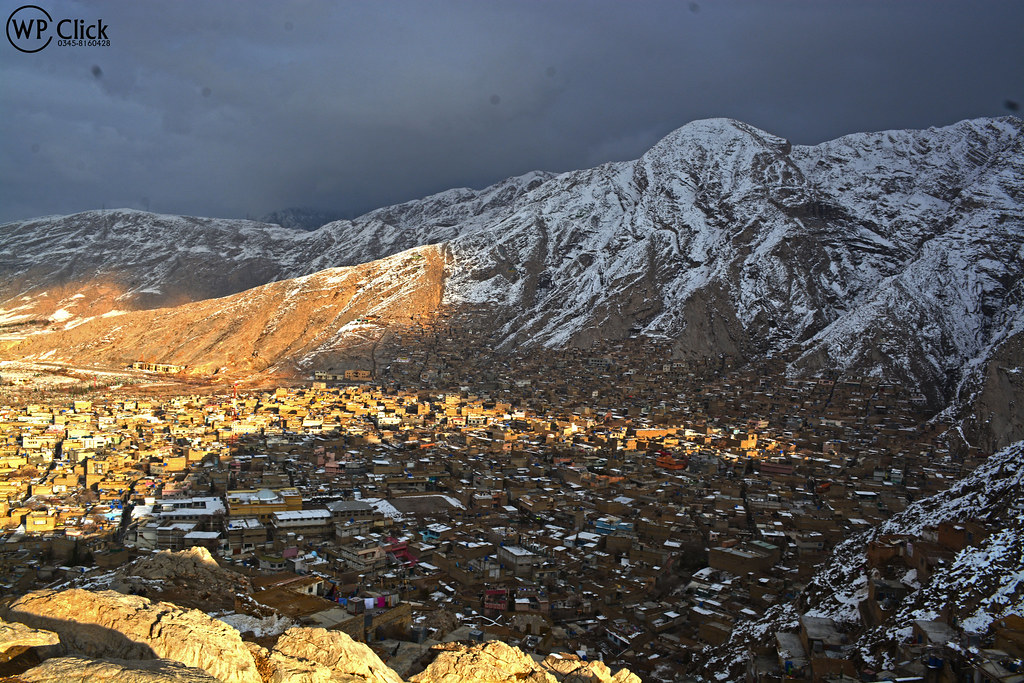
Quetta experiences occasional snowfall during winter. While it’s not frequent, when it happens, the entire city changes. Snowfall in Quetta usually occurs in January and brings cold waves across the region.
Surrounding areas like Hanna Lake and nearby hills look stunning under the snow. Life in the city slows, and people gather to enjoy this rare weather event. Snowfall in Quetta may not be heavy, but it’s memorable. It reminds people that even arid regions can experience winter magic.
Parachinar
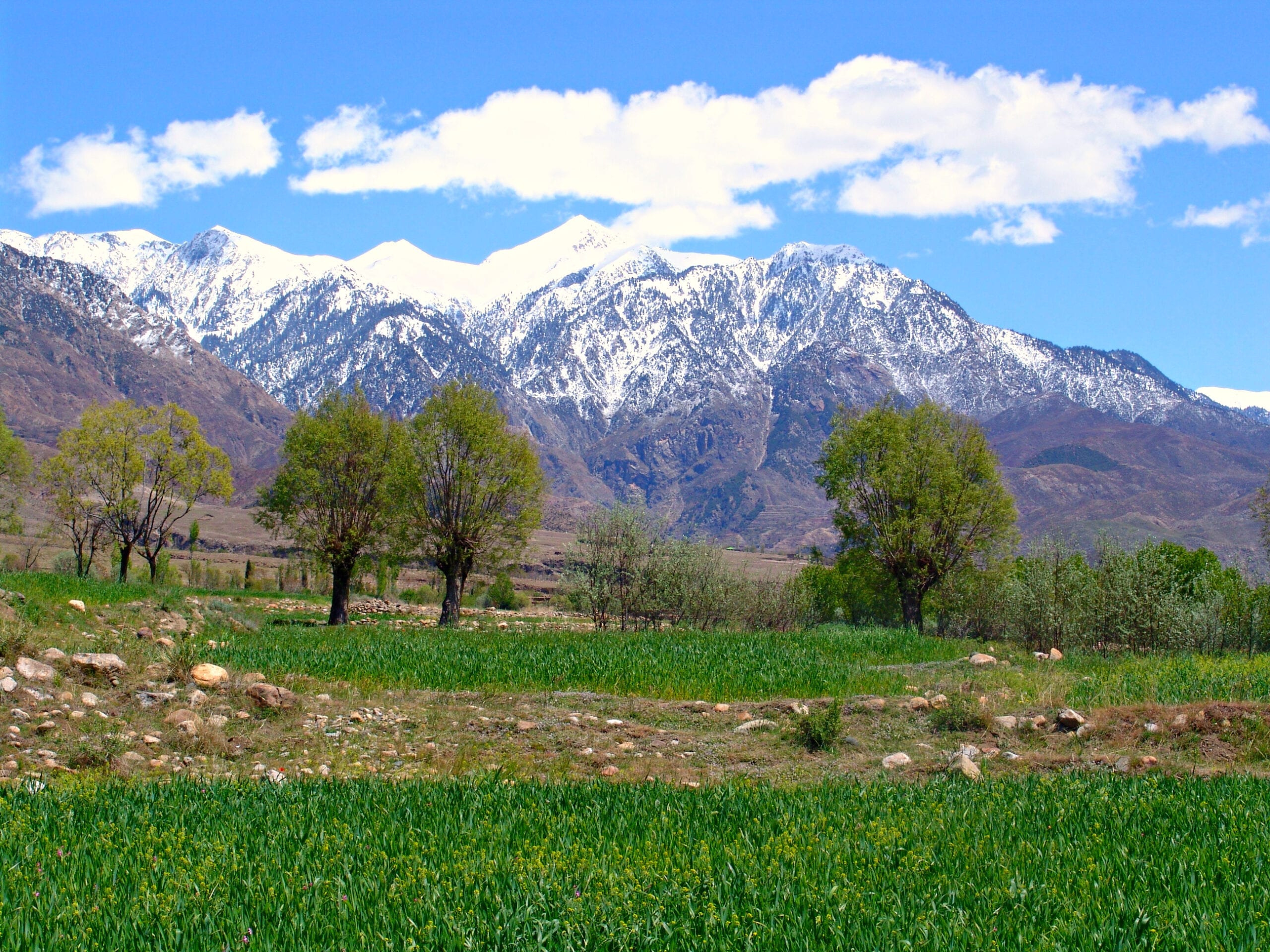
Parachinar, located in Kurram Valley, is one of Pakistan’s lesser-known snowfall areas. Winters here are cold, and snowfall can be heavy, especially in the surrounding mountains.
The valley looks stunning under snow, with orchards, hills, and villages covered in white. Cultural traditions and winter foods add warmth to the cold season. Parachinar remains relatively unexplored, making it perfect for travelers looking for something different.
Tips for Traveling to Snowfall Areas in Pakistan
If you are planning to travel to snowfall areas, must follow these tips.
- Always check weather updates before traveling.
- Use proper winter tires and vehicles.
- Carry warm clothing and emergency supplies.
- Respect local advice and road closures.
- Travel responsibly and avoid littering.
Best Time to Visit Snowy Destinations
During the winter season, from December to February, is the best time to visit snowy destinations. During this time, the entire region, including mountains, pine trees, and rooftops, was covered with a white blanket. This is the best time to enjoy snowfall and feel cozy in a luxury hotel room. These snowy destinations offer adventurous snow activities during the winter season. These activities include skiing, snowboarding, trekking, snow tubing, and snow fighting.
Frequently Asked Questions (FAQs)
Which area receives the heaviest snowfall in Pakistan?
Skardu, Astore, and Chitral receive some of the heaviest snowfall.
What is the best time to see snowfall in Pakistan?
January and February are the peak months.
Is Murree safe during snowfall?
Yes, if you follow travel advisories and avoid peak rush days.
Can beginners visit snowfall areas easily?
Yes, places like Murree, Galyat, and Swat are beginner-friendly.
Are snowfall areas suitable for families?
Yes, many areas are family-friendly with proper planning.
Conclusion
Snowfall reveals a completely different side of Pakistan, one that is quiet, powerful, and deeply beautiful. From Murree’s lively winters to Skardu’s frozen silence, every snowfall area offers a unique story. These regions show how nature shapes culture, lifestyle, and resilience.